


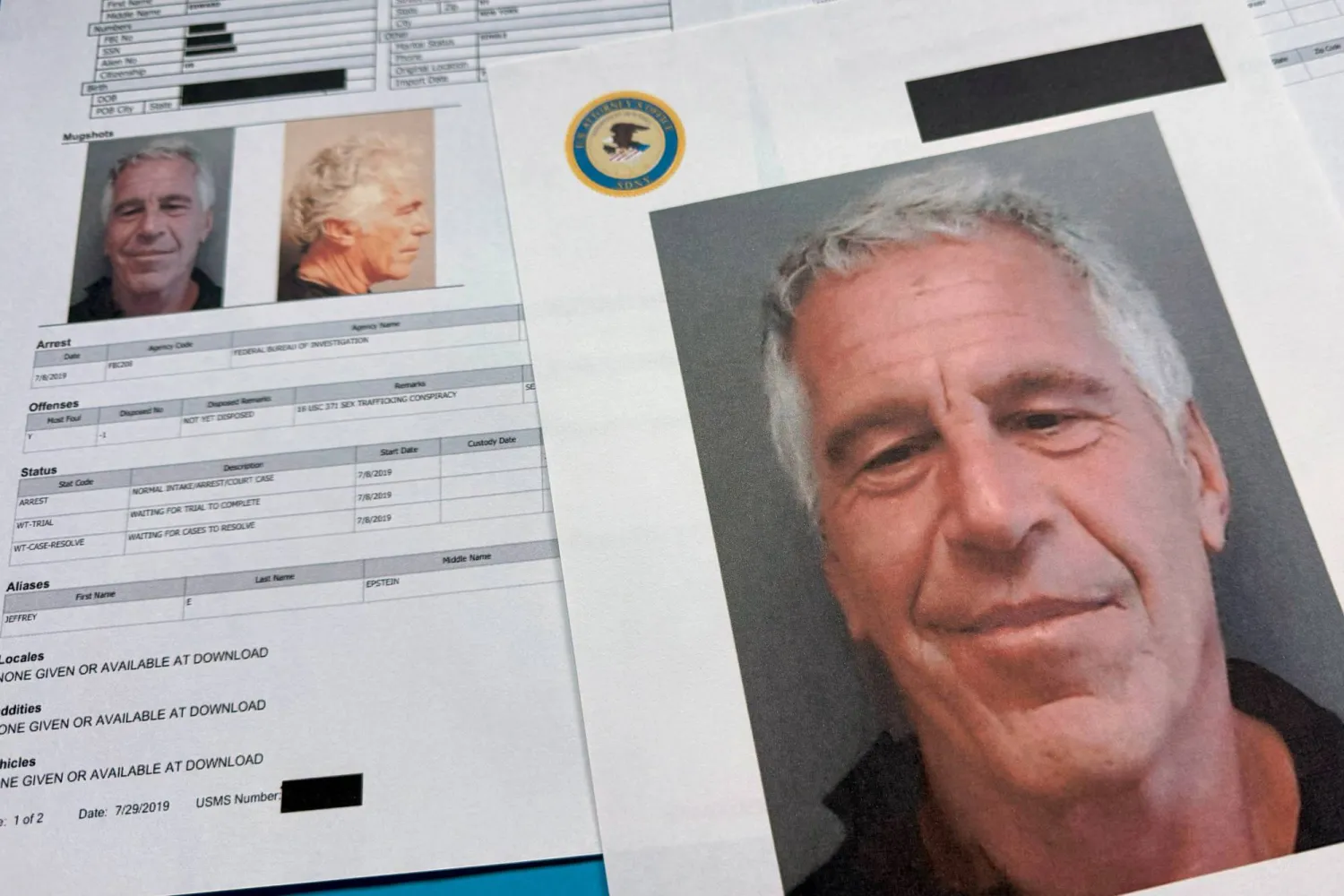
The release of the largest batch so far of so-called Jeffrey Epstein files under the “Epstein Files Transparency Act” has reignited political and ethical debate in the United States, rather than closing one of the country’s most controversial cases.
The U.S. government said the documents were released in line with legal requirements, including redactions and exemptions, but critics – including abuse survivors and lawmakers from both Democratic and Republican parties – said that “transparency of volume” does not amount to “transparency of meaning.”
They argued that gaps caused by redactions, delays and selective disclosure could continue to shield powerful figures, while placing an additional burden of exposure on victims.
Emails included in the newly released files show that Howard Lutnick, now serving as U.S. commerce secretary, coordinated details of a meeting or lunch on Epstein’s island in December 2012, including access arrangements, timing and correspondence with one of Epstein’s assistants, according to the documents.
The files also renewed focus on Britain’s former prince Andrew, whose name again appeared among the high-profile figures referenced, bringing renewed scrutiny to his past association with Epstein, who died in jail in 2019 while awaiting trial on sex trafficking charges.
There was no immediate comment from those named in the documents.


Comments are closed