



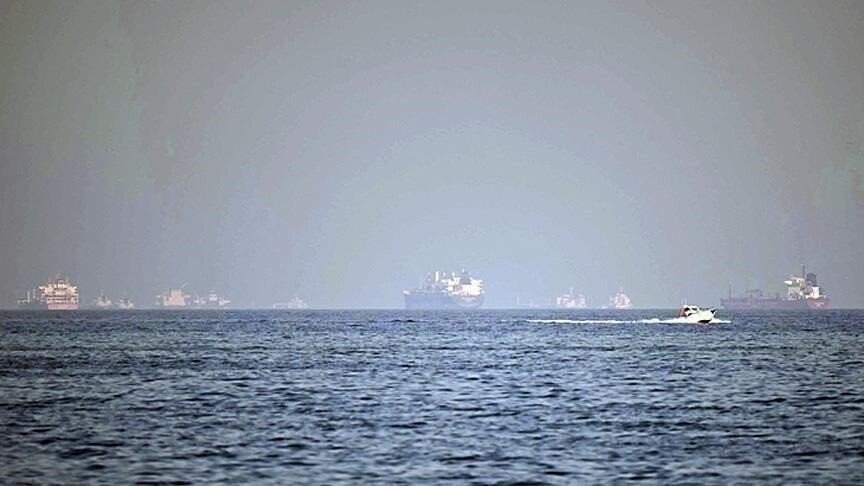
Global markets are facing mounting pressure as the Strait of Hormuz remains closed, with the الأزمة extending beyond oil and gas to strategic raw materials, raising concerns of a new form of “trade wars” tied to supply chains.
Since military tensions escalated on February 28, commodity markets have seen notable increases in the prices of critical minerals used in defense and advanced technology industries, heightening fears over supply security.
These materials are essential across a wide range of sectors, from electric vehicle batteries and wind turbines to AI chips and advanced military systems, making them vital to global production chains.
A two-week ceasefire between the United States and Israel on one side and Iran on the other took effect on April 8 following talks in Islamabad, though no final agreement was reached.
In the aftermath, Iran tightened navigation restrictions in the strait, while the United States imposed a blockade on Iranian ports and vessels.
Although Tehran briefly announced the reopening of the strait on Friday alongside a Lebanon ceasefire, Iranian armed forces reclosed it on Saturday in response to the ongoing U.S. naval blockade.





Comments are closed