



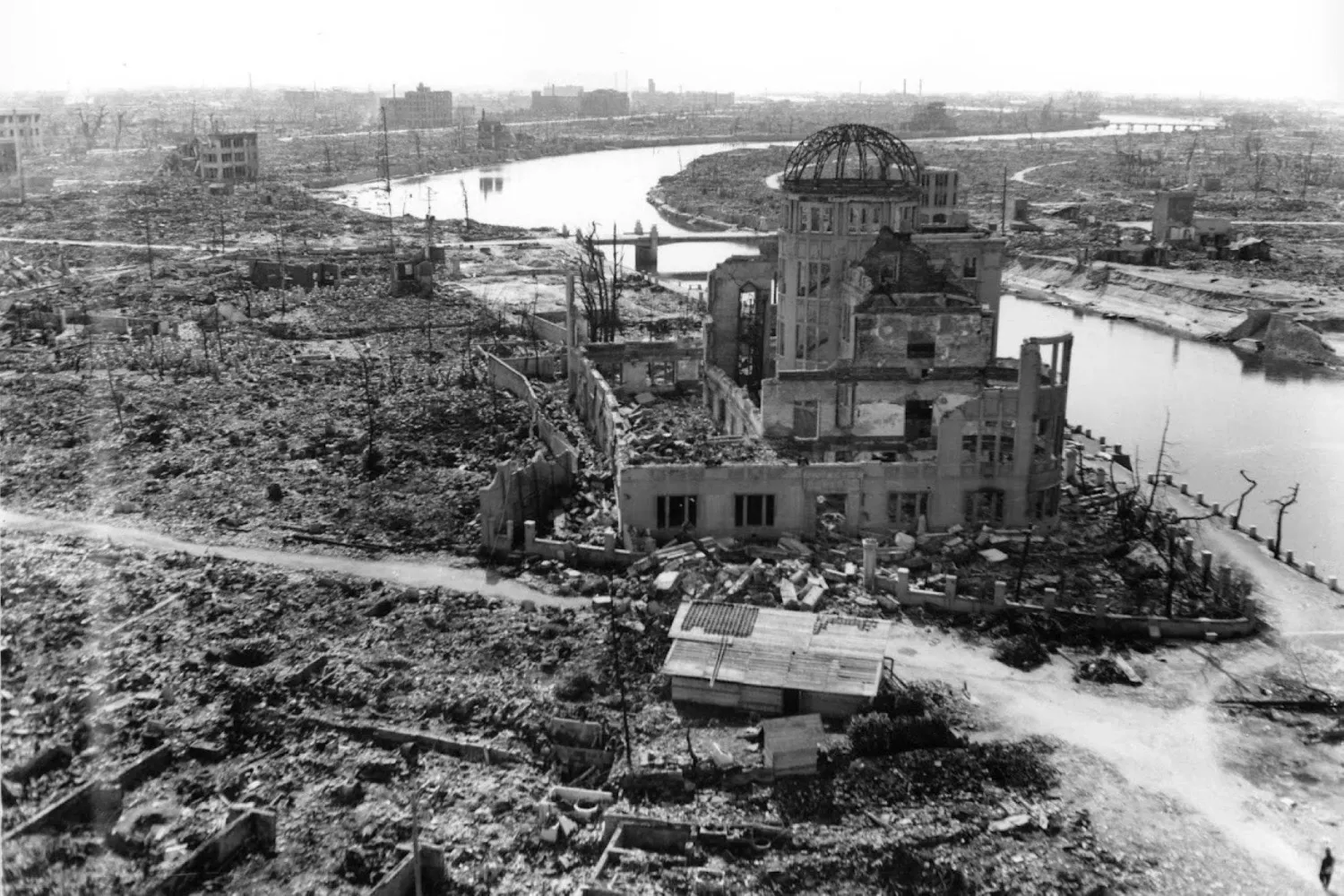
As geopolitical tensions between major powers continue to intensify, the threat of nuclear war has returned to the forefront of international discussions after decades in which many believed the danger had diminished. With nations modernizing their nuclear arsenals and expanding military capabilities, warnings are growing that the world may be moving closer to a catastrophic confrontation.
According to estimates by the Stockholm International Peace Research Institute, the world currently possesses approximately 12,187 nuclear warheads distributed among nuclear-armed states. The figure has reignited questions about the scale of destruction these arsenals could cause in the event of a large-scale nuclear conflict.
While it is often claimed that nuclear weapons could “destroy the Earth many times over,” experts emphasize that the phrase does not refer to the physical destruction of the planet. Instead, it reflects the potential to devastate human civilization, critical infrastructure, and the global economy, while triggering long-lasting environmental consequences.
Analysts warn that the threat extends beyond the immediate impact of nuclear explosions to include widespread radioactive contamination, disruptions to global supply chains, severe declines in agricultural production, and the possibility of a “nuclear winter” that could significantly lower global temperatures and endanger food security worldwide.







Comments are closed