




An event held at the Arab-Brazilian Chamber of Commerce, located at Av. Paulista, 283 – Bela Vista, on Tuesday morning (9), brought together investors, economists and representatives from the political sphere to discuss the economic outlook between Brazil and Arab countries. The meeting focused primarily on the analysis of macroeconomic scenarios and the presentation of the institution’s strategic agenda for 2026, with an emphasis on strengthening trade, institutional and investment relations between the regions.
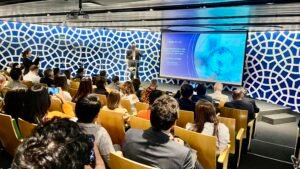 Among the highlights of the event was the participation of Samuel de Abreu Pessôa, macroeconomic researcher at BTG Pactual, PhD in Economics from USP, and columnist for Folha de S.Paulo. In his analysis, Pessôa addressed the challenges and opportunities of the Brazilian economy in the medium term, highlighting factors such as institutional stability, fiscal responsibility and Brazil’s strategic role as a global supplier of food, energy and commodities, sectors of high interest to Arab countries. The researcher highlighted that Brazil is the second country with the highest pension spending in the world, second only to Japan. According to him, we must be aware of the consequences of investing more in the elderly than in children.
During the meeting, the Chamber’s guidelines for 2026 were also presented, which include encouraging trade missions, events, attracting Arab investments in infrastructure and energy, and strengthening political and economic dialogue. The perspectives outlined reinforce the relevance of the Arab world as a strategic partner for Brazil, especially in a context of reconfiguration of global supply chains and the search for reliable, sustainable, and long-term markets.





Comments are closed